
Singapore Bullion Market Association

Article List

Article List

Le Freeport Singapore: Supporting Secure Storage in the Global Bullion Ecosystem

By

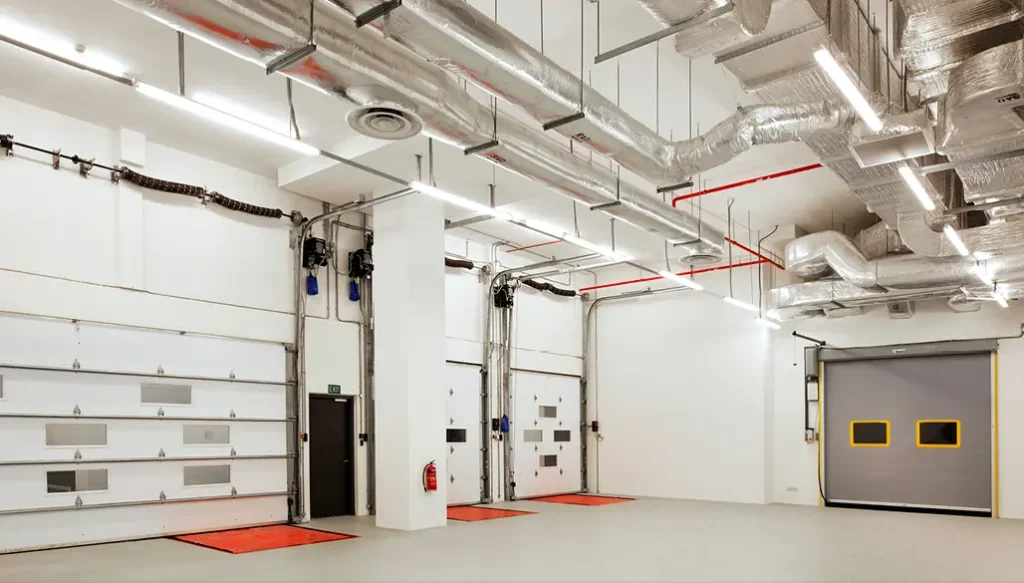
Situated directly adjacent to the airport, Le Freeport allows high-value assets to be transferred securely without relying on long-distance public road transport. Often referred to as “Asia’s Fort Knox,” the 30,000-square-metre facility provides fully insured, bonded storage that operates outside the jurisdiction of the global banking system. Its capabilities extend beyond bullion: the climate-controlled vaults were originally built for fine art and routinely store luxury cars, fine wine, and jewellery.
Geopolitical volatility, persistent inflation, and evolving monetary policies continue to reinforce physical gold’s role as a key asset for diversification and wealth preservation. These dynamics have gained fresh regulatory and market focus with the March 2026 announcement by the Monetary Authority of Singapore (MAS) and the Singapore Bullion Market Association (SBMA) outlining a strategic blueprint to position Singapore as a leading Asia-Pacific gold trading centre. Central to the initiative are plans to establish internationally aligned standards for bullion storage and logistics, alongside offering official vaulting services to foreign central banks –developments that directly elevate the importance of secure, well-regulated storage infrastructure. As demand for physical gold and trusted custody persists, high-security storage facilities, though less visible than trading or refining, remain a critical and foundational component of the global precious metals ecosystem.
Within this context, Le Freeport contributes to Singapore’s broader ecosystem for the storage and movement of high-value assets. Located adjacent to Changi Airport, the facility is designed to support the efficient handling of goods in transit. Assets stored within the approved licensed facility zone are not subject to import duties or Goods and Services Tax (GST), offering flexibility for international market participants.
Situated directly adjacent to the airport, Le Freeport allows high-value assets to be transferred securely without relying on long-distance public road transport. Often referred to as “Asia’s Fort Knox,” the 30,000-square-metre facility provides fully insured, bonded storage that operates outside the jurisdiction of the global banking system. Its capabilities extend beyond bullion: the climate-controlled vaults were originally built for fine art and routinely store luxury cars, fine wine, and jewellery.

The Importance of Storage in the Bullion Value Chain

The bullion market relies on a network of interconnected functions, including refining, trading, logistics, and storage. While trading activity often draws the most attention, the ability to securely store physical metal strengthens confidence in the market as a whole.
For long-term investors, secure storage provides safekeeping in stable jurisdictions. For active market participants, it enables efficient inventory management and settlement. In both cases, the availability of secure and accessible storage supports liquidity and overall market integrity.
Neutral infrastructure facilities such as Le Freeport illustrate how these needs can be met by providing a secure environment that allows market participants to store bullion close to major transportation hubs while maintaining operational efficiency.

Secure Infrastructure and Service Providers

The storage of high-value assets requires more than physical security; it depends on specialised expertise in handling, transport, and compliance. Within Le Freeport, this is delivered through independent service providers that operate dedicated vaults and manage storage on behalf of their clients.

Crucially, this concentration means institutional clients can execute internal transfers of ownership between different LBMA-accredited custodians without the assets ever physically leaving the high-security zone, reducing transit risks and insurance costs considerably.

These providers include globally recognised logistics firms with experience in handling precious metals and other high-value assets. Notably, three London Bullion Market Association-accredited logistics providers – Brink’s, Loomis, and Malca-Amit – all operate within the facility. Their co-location offers market participants flexibility in selecting service partners while ensuring chain-of-custody integrity and minimising the need to move assets between sites.
Crucially, this concentration means institutional clients can execute internal transfers of ownership between different LBMA-accredited custodians without the assets ever physically leaving the high-security zone, reducing transit risks and insurance costs considerably.
This model reflects a broader trend within the bullion market towards integrated infrastructure, where storage, logistics, and handling capabilities are closely aligned.

Singapore as a Storage and Trading Hub

Singapore has established itself as a key centre for precious metals in Asia, supported by a combination of policy, infrastructure, and connectivity. The removal of GST on investment-grade precious metals in 2012, along with a stable regulatory environment, has contributed to sustained growth in the local bullion market.
Companies have invested in developing storage capacity to support physical holdings, and high-security vaulting facilities form an important part of this ecosystem. Their proximity to major air freight routes enhances Singapore’s role as a regional and global distribution point for bullion.
Singapore’s infrastructure is designed for large-scale operations, and facilities such as Le Freeport maintain meaningful operational headroom, allowing them to accommodate additional inflows – including potential allocations from foreign central banks – without strain.
Looking ahead, evolving market requirements, particularly the need for more efficient use of basement vaulting space, are shaping future development. A new facility is under consideration, designed with higher loading efficiency to optimise space utilisation and support more competitive pricing. More broadly, Singapore’s precious metals ecosystem incorporates multiple layers of redundancy, strengthening its ability to respond effectively to periods of elevated demand.
As a result, Singapore is often considered alongside established hubs such as London, Zurich, and Hong Kong in discussions on global gold storage.

Supporting Framework and Operational Structure
A defining feature of Singapore’s bullion ecosystem is its regulatory clarity. The storage and movement of precious metals are subject to oversight, particularly in areas such as anti-money laundering (AML) and counter-terrorism financing (CTF).
Within facilities such as Le Freeport, licensed service providers are responsible for import and export procedures as well as client due diligence, including Know Your Customer (KYC) requirements. This ensures that regulatory obligations are met at the operational level.
At the same time, infrastructure providers play a more limited role. Le Freeport, for example, provides the physical environment but does not take custody of goods or engage in trading activities. This separation of responsibilities helps maintain transparency and accountability, while allowing specialised firms to focus on their respective functions.

Changing Dynamics in Physical Gold Storage

Several trends have influenced demand for bullion storage in recent years, including increased focus on jurisdictional diversification, supply chain resilience, and a growing preference for direct ownership of physical assets.
Singapore has benefited from these developments, given its reputation for political stability, strong rule of law, and established financial infrastructure. Market participants increasingly treat storage location as a strategic consideration, rather than a purely operational one.
The presence of secure, well-regulated facilities supports this shift by providing confidence in both the safety and accessibility of stored assets.

Closing thoughts

Although often operating behind the scenes, storage infrastructure plays a fundamental role in the functioning of the global bullion market. By enabling the secure holding and efficient movement of physical metal, it supports a wide range of market activities, from long-term investment to active trading.
Facilities such as Le Freeport illustrate how infrastructure, service providers, and regulatory frameworks work together to support this ecosystem. For SBMA members and the wider market, understanding these dynamics provides useful insight into how the physical gold market operates in practice.
These materials are provided for general informational purposes only and do not constitute investment advice, financial advice, or a recommendation to buy, sell, or hold any financial products.
This article is brought to you by SBMA in association with Le Freeport Singapore.