Singapore Bullion Market Association

Key Insights from the Asia Pacific Precious Metals Conference 2026

By JONI TEVES, Chief Precious Metals Strategist, UBS Investment Bank

Several key themes emerged across the different sessions during the 2026 APPMC, which helped shape a roadmap for where the industry is heading. Among these, three key takeaways stood out. First, Asia’s importance in precious metals markets continues to grow, and market infrastructure is beginning to catch up with that reality. Second, trust remains the industry’s most valuable asset — whether expressed through governance, transparency, standards, regulation or infrastructure. And third, the future will belong to markets that are connected: connected across countries, connected across time zones, connected between physical and digital ecosystems, and connected through collaboration.
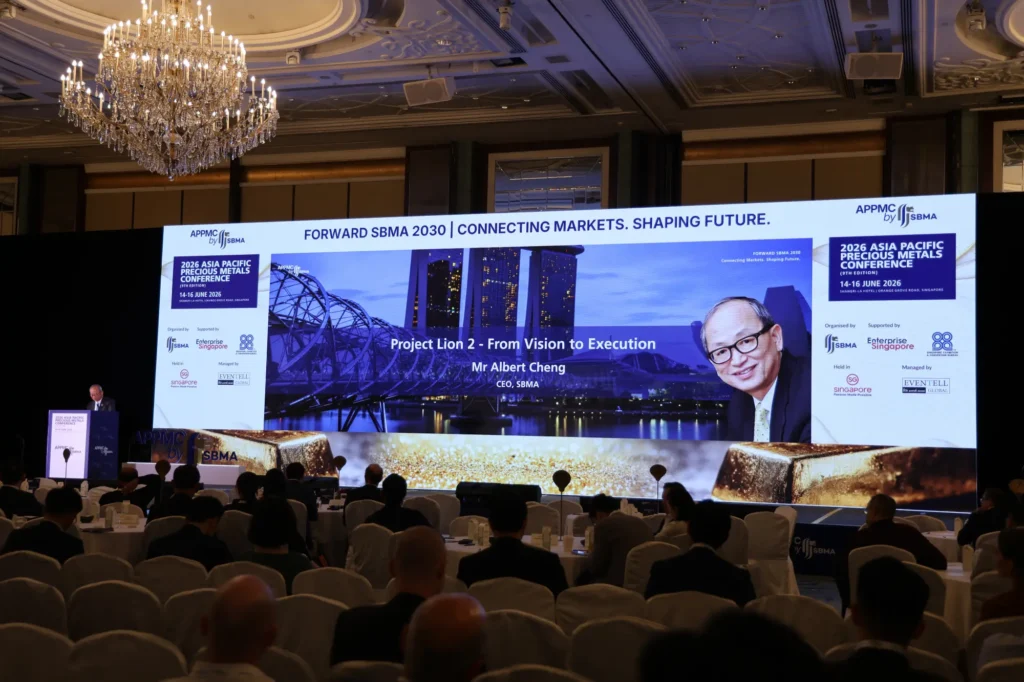
This year’s conference was different: the industry moved beyond discussing possibilities. This year featured concrete commitments, infrastructure being built and collaboration taking shape. Delegates witnessed a shared vision emerging for the future of precious metals in Asia. SBMA CEO Albert Cheng described this period as the “end of the beginning”. And the next chapter starts now.
Two words capture this year’s conference best: Trust and Collaboration. These two words ran through almost every discussion – from digitalisation and market infrastructure to regional connectivity and the future of Asia’s precious metals markets.
The attendance of Singapore Deputy Prime Minister Gan Kim Yong at this year’s industry gathering was a powerful signal of the importance the country places on the precious metals sector and the strong partnership that exists between the industry and the government. The central message was clear: in an increasingly fragmented and uncertain world, trust itself has become a form of infrastructure. Investors today are not simply looking for returns. They are looking for jurisdictions where assets can be stored safely, traded reliably, and governed transparently. Against that backdrop, Singapore is not trying to replace London or New York. Instead, it is positioning itself as a trusted node within the global gold ecosystem – connecting Asian demand with global liquidity and providing market participants with reliable infrastructure during Asian trading hours.
Importantly, this was not just a vision. We heard several major announcements that demonstrated tangible progress: the development of a Loco Singapore OTC gold clearing system through the Singapore Exchange (SGX); the introduction of gold vaulting services by the central bank; new gold-related capital market products; and the removal of the 5% cap on physical investment in precious metals under certain tax incentive schemes. These are not theoretical discussions anymore. The conversation has moved from why Singapore should build this ecosystem to how we execute it.

From Vision to Execution

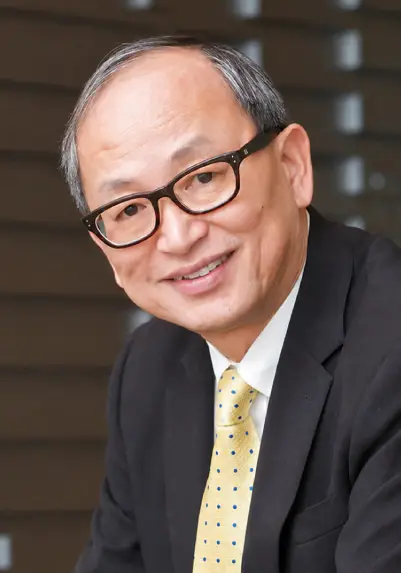
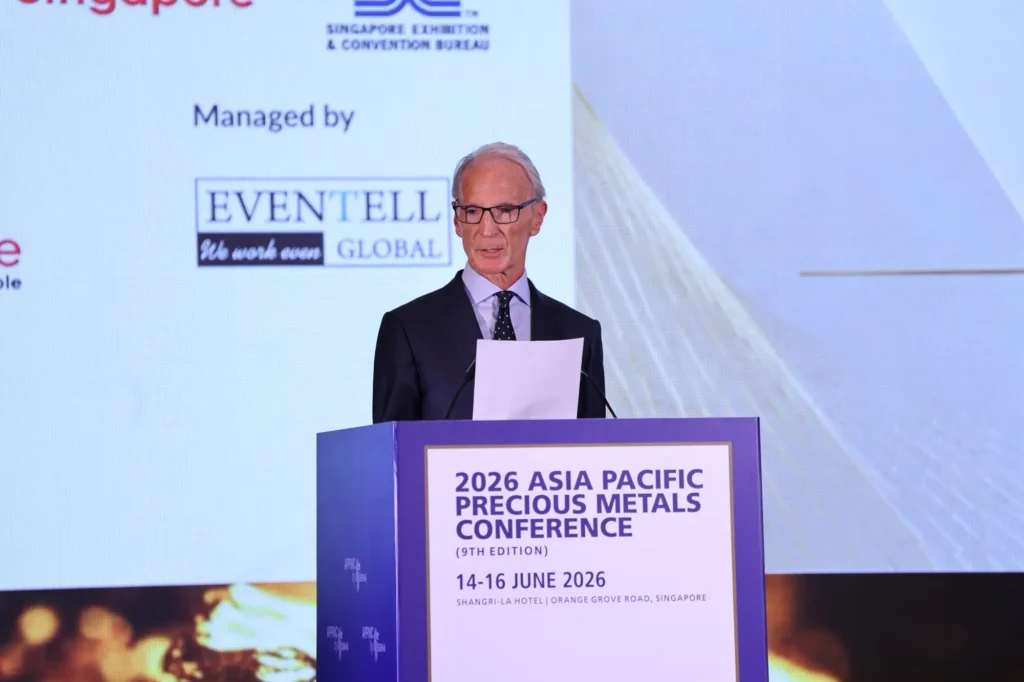
SBMA CEO Albert Cheng speaking at APPMC 2026.
A key message from SBMA’s Cheng was that while this year’s announcements are exciting, the next phase will involve something less glamorous but arguably more important. The hard work begins. Rulebooks need to be built; governance frameworks established; operational procedures defined; and participant standards created. Most importantly, market integrity needs to be ensured.
The message is that credibility matters more than perfection. Rome was not built in a day. Markets are not built overnight. Instead, they are built through collaboration, execution, strong governance and trust earned over time. Singapore already possesses many of the ingredients required to foster this next phase – political stability, strong institutions, strategic location and international credibility. Now the task is to translate those advantages into functioning market infrastructure that can support regional and global participation.

Digitalisation: Keeping Gold Relevant
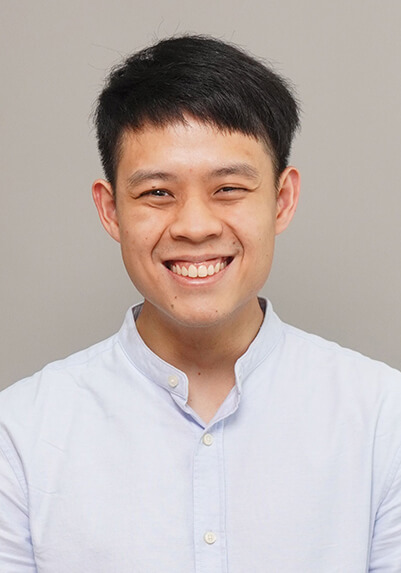
David Tait, Global CEO of the World Gold Council.
Another recurring theme was digitalisation. David Tait of the World Gold Council challenged the delegates to think about the future of gold not only as a physical asset, but as a digital one. His argument was straightforward: digitalisation expands access, creates new use cases, and increases transparency and, most importantly, keeps gold relevant.
Initiatives such as Gold-as-a-Service aims to create an open platform linking digital ownership with physical gold holdings. There were discussions about wholesale digital gold and the potential for gold to be used more effectively as collateral. And initiatives such as the Gold Bar Integrity programme seek to enhance confidence and transparency throughout the supply chain. What was striking was that digitalisation was never presented as replacing physical gold. Rather, it was presented as a way of making physical gold more accessible, usable and integrated into modern financial systems.

Transparency, Standards and Information
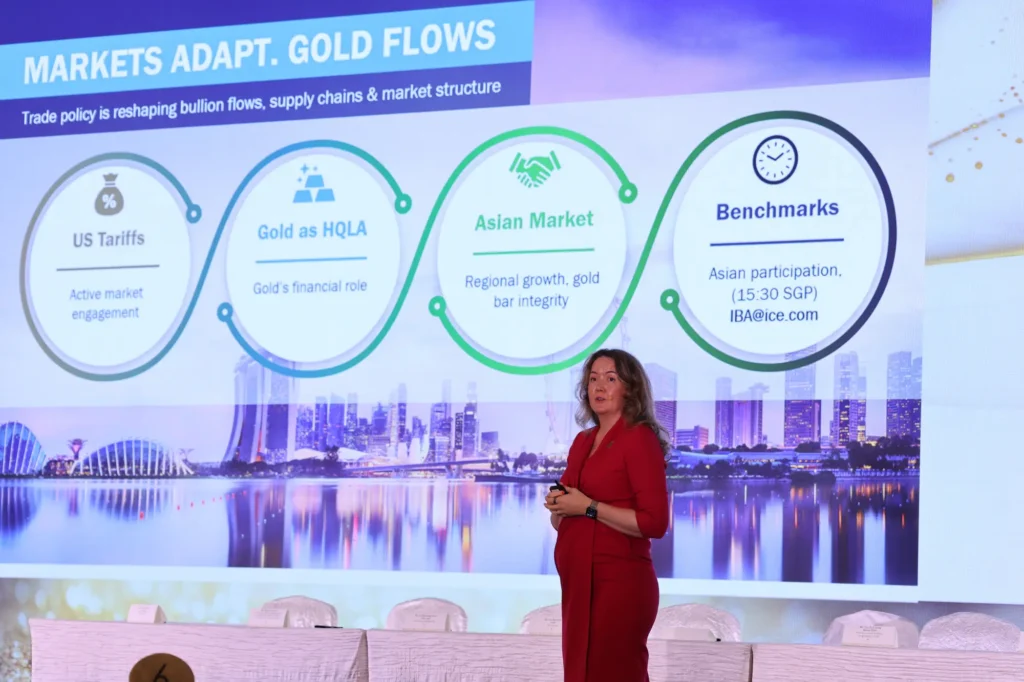
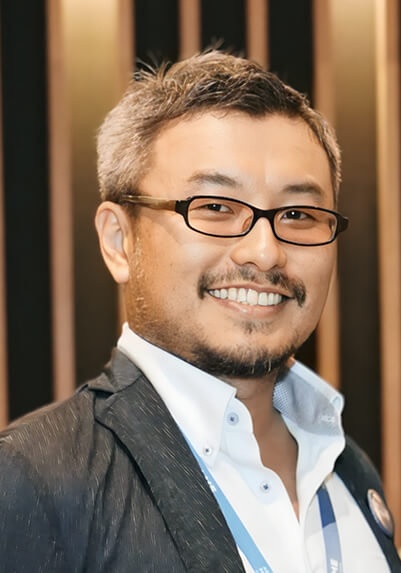
Ruth Crowell, CEO of London Bullion Market Association.
Closely linked to trust and digitalisation was another theme: transparency. Ruth Crowell of the LBMA emphasised that trust is built through transparency. Whether it is refining standards, trade reporting, responsible sourcing or settlement processes, markets function best when participants can trust the information they receive.

Asia’s Rise is Reshaping Precious Metals Markets

Another major theme throughout the conference was the continued shift of precious metals demand toward Asia. UOB’s Heng Koon How made a case for why this trend is likely to continue. He described a world where Asian economies remain an important engine of growth, supported by exports in AI-related industries, which in turn implies expansion of foreign exchange reserves. As countries see growth in total reserves, allocations to gold should also rise. He argued that many Asian central banks still have significant room to increase gold holdings compared with developed market peers. Importantly, gold is increasingly being viewed as a hedge against sovereign debt risks and volatility in traditional reserve assets.
Deputy Prime Minister Gan also highlighted that Asia accounts for roughly 70% of global consumer gold demand. But if there was one challenge identified repeatedly throughout the conference, it was connectivity. The ASEAN market architecture panel highlighted this. ASEAN already generates substantial precious metals activity through imports, exports, trading, accumulation and investment demand. Yet many of these markets remain disconnected from one another. The opportunity is enormous, but to unlock that opportunity, the region needs more infrastructure. There is a need for more refining capacity, logistics capabilities, vaulting, better settlement systems and more liquidity. Crucially, there needs to be stronger connectivity between markets as well as policy, regulatory, and governance frameworks that allow markets to interact efficiently.
Barriers still exist across parts of ASEAN, ranging from tariffs and export restrictions to market access challenges. Technology and digitalisation were repeatedly identified as tools that can help reduce these frictions and create a more connected regional marketplace. The vision for 2030 presented is ambitious but compelling: a region characterised by greater liquidity, greater accessibility, stronger collaboration, trusted standards and an inclusive ecosystem where no market is left behind.
While gold naturally dominated much of the discussion throughout the conference, platinum group metals also received significant attention. Barriers to participation in the PGM market have fallen dramatically in recent years, with more products becoming available, access improving and investor participation broadening. The growth of platinum investment products in China, the development of futures markets and increasing investor participation all demonstrate how transparency and information can help develop markets over time.
Platinum occupies an increasingly interesting position as both a precious metal and an industrial metal. Investors are beginning to view it not only through the lens of industrial demand, but also as a diversification asset and a potential complement to gold within broader portfolios. This suggests that the precious metals ecosystem itself is becoming more diverse and sophisticated.
Silver’s importance was also highlighted during the discussions, given its usage in the solar and tech industries. AI infrastructure and data centre buildouts should support silver demand, though the challenge currently lies in quantifying that impact.

Collaboration Will Define Success

Perhaps one of the strongest messages from the conference was that no market can succeed alone. Hong Kong’s strategy to connect international markets with mainland China relies heavily on collaboration – with exchanges, regulators, banks, refineries and the Shanghai Gold Exchange. The innovative refining arrangements with Shenzhen, the integration of vaulting networks and the development of new trading and clearing infrastructure all reflect the same principle. Success comes through partnerships – a theme ran across the discussions throughout the conference. The future precious metals ecosystem will not be built by individual organisations acting independently. It will be built by networks of participants working together.
Singapore Bullion Market 2024 Asia Pacific Precious Metals Conference Summary
JONI TEVES is the Precious Metals Strategist within the Economics and Strategy Research team, based in Singapore. She covers all four precious metals and is responsible for fundamental analysis, forecasting and writing research pieces on these markets. She has been in the industry for over two decades, initially as a gold trader for the central bank of the Philippines, subsequently joining UBS as a strategist in 2011.