Singapore Bullion Market Association

Bridging Asian Bullion Markets:
Golden Phoenix’s Strategic Positioning and the Hong Kong-Singapore Dual-Hub Synergy

By ZITING SU, CEO, Golden Phoenix Global Limited
Headquartered in Hong Kong, Golden Phoenix Global Limited specialises in physical trading and related services across gold, silver, and platinum group metals (PGMs). Our activities encompass international sourcing, support for refining and recycling, and the production and distribution of proprietary-brand products. Within the precious metals value chain, Golden Phoenix positions itself primarily in the midstream sector, connecting upstream suppliers with downstream industrial, investment, and trading counterparties.
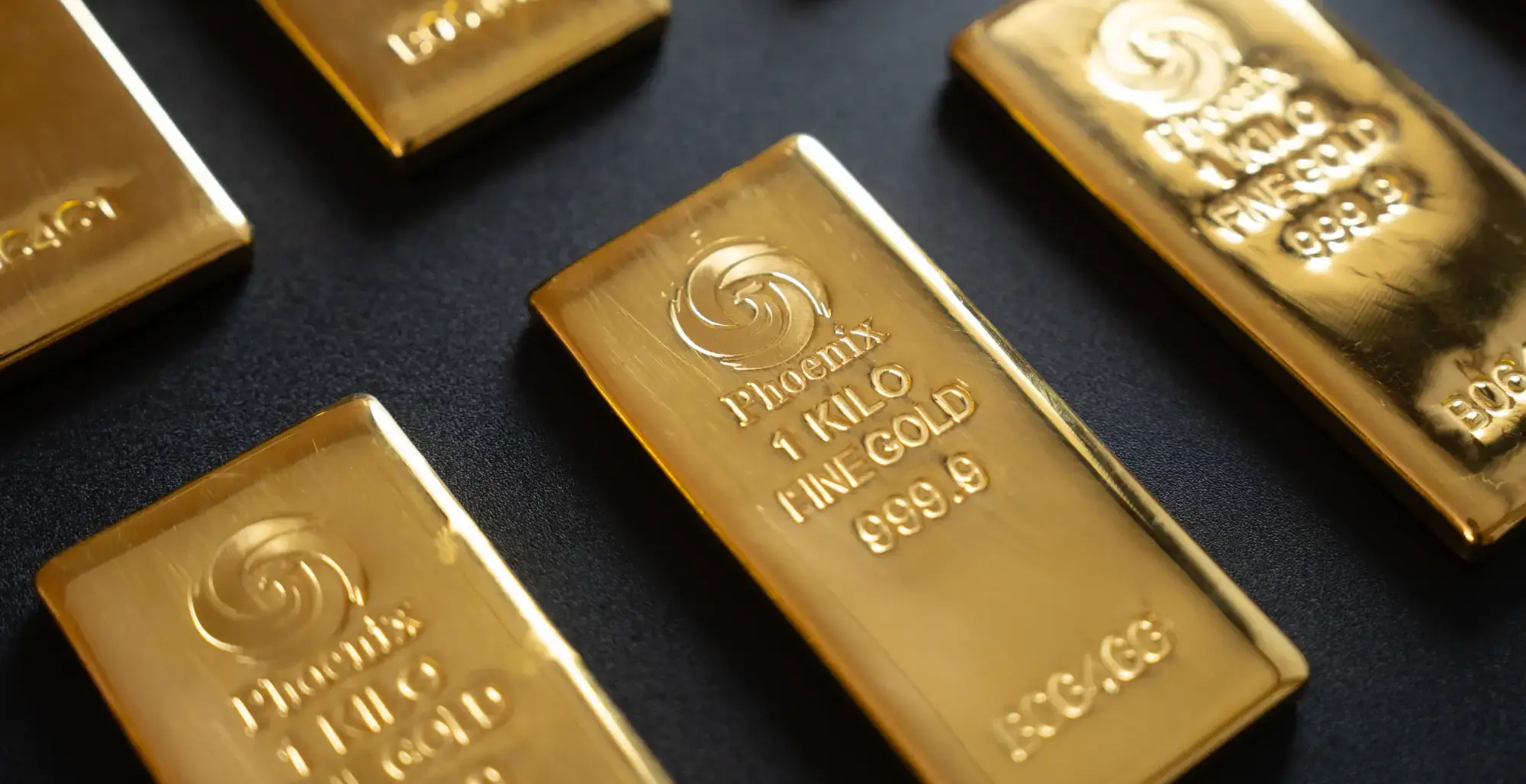
In refining-related services, we support clients with purification and refining solutions for mined material and jewellery scrap, allowing clients to receive refined return products or monetise material at prevailing market prices. In multi-category physical trading, our product suite covers gold, silver, platinum, palladium, and rhodium in various physical forms, including products from LBMA and LPPM-accredited refiners, as well as other products. Our non-LBMA/LPPM portfolio primarily features our proprietary “Phoenix” brand, available in standard specifications of 50 grams, 100 grams, and 1 kilogram, together with customisation options subject to customer requirements and applicable standards.
We help PGM industrial clients manage risk through tailored delivery scheduling and price-risk arrangements for physical transactions, allowing counterparties to focus on their core operations. Leveraging Hong Kong’s role as an important gateway to Mainland China, we place particular emphasis on PGMs serving mainland industrial users. China remains a major source of demand for PGMs across automotive catalysts, electronics, and advanced manufacturing. Golden Phoenix aims to serve this physical demand efficiently and strengthen its regional trading relationships by deepening its presence at the Hong Kong supply-chain node.

Cross-Cycle Liquidity and Compliance Focus

As a multi-category precious metals service provider, Golden Phoenix positions itself as a bridge linking mining and other upstream sources with end consumers, while supporting liquidity across different market conditions. During periods of strong demand, we seek to maintain reliable supply and delivery continuity. In weaker markets or periods of tighter liquidity, we also help clients release liquidity from accumulated inventory through buyback arrangements, reinforcing long-term relationships.
We have developed strategic, long-term relationships with mining companies and other upstream suppliers to support upstream sourcing and supply stability. Direct sourcing from miners forms an important part of our trading model and can strengthen supply-chain visibility and delivery reliability, particularly during tighter market conditions.
Compliance is fundamental to our business. Golden Phoenix operates in accordance with applicable Hong Kong Anti-Money Laundering and Counter-Terrorist Financing (AML/CTF) requirements and the Dealers in Precious Metals and Stones (DPMS) licensing regime. We maintain responsible-sourcing policies informed by the OECD Due Diligence Guidance and continue to strengthen our due-diligence, documentation, and audit processes in line with applicable regulatory and industry requirements.
Looking forward, we plan to deepen collaboration with commercial banks and industry-association members to broaden distribution channels and liquidity for gold and silver. We also intend to expand direct sourcing relationships, strengthen sales channels for mining counterparties, develop the international presence of our “Phoenix” brand, and deepen PGM partnerships with industrial end-users to improve supply-chain efficiency.

Deepening Roots in Asia

Golden Phoenix is focused on structural opportunities in Southeast Asia, through the Singapore Bullion Market Association (SBMA) platform, which connects Asian and global precious metals markets. Expanding electronics and advanced-manufacturing clusters in the region are increasing demand for high-purity silver and PGMs. At the same time, the regional electronics supply chain creates significant gold- and silver-recycling requirements. Refining capacity and specialisation remain uneven across Southeast Asia, creating opportunities for established regional refining centres, including Singapore and Hong Kong, to serve growing cross-border recycling and processing flows.
Gold and jewellery demand also remains significant across markets such as Thailand, Vietnam, and Indonesia. Singapore’s established vaulting, logistics, refining, and financial-market infrastructure provides a strong environment for investment gold and other precious-metals activities, creating useful complementarity with Hong Kong. On the resource side, countries including Indonesia and Laos possess important mineral resources, and deeper engagement with suitable local producers could broaden our upstream sourcing. Through SBMA, Golden Phoenix aims to connect with regional industrial clients and financial institutions, supply physical metals that meet relevant delivery requirements, and facilitate appropriate recycling flows to established processing centres across the region.

The Dual-Hub Era

Hong Kong recently began trial operation of its Central Gold Clearing and Settlement System, together with the HAU gold reference price ticker and the “Delivery Connect” arrangement linked with the Shanghai Gold Exchange. These initiatives are designed to improve market infrastructure, cross-border settlement, and physical delivery efficiency. Concurrently, Singapore is developing a Loco Singapore OTC gold clearing mechanism, while the Monetary Authority of Singapore (MAS) is preparing to introduce gold vaulting services for foreign central banks and sovereign entities. We view Hong Kong and Singapore as highly complementary hubs in Asia’s precious metals landscape, rather than as zero-sum competitors.
Hong Kong’s comparative advantage lies in its close ties with Mainland China and its role as an international financial and trading centre. Its new clearing infrastructure and Delivery Connect can support more efficient cross-border physical flows, while the authorities are also encouraging the development of local refining, storage, and trading capacity. Singapore, by contrast, combines a trusted legal and regulatory environment, strong international institutional connectivity, sophisticated financial markets, and established vaulting and logistics infrastructure. As its OTC clearing mechanism develops, Singapore could further support location swaps, financing, hedging, and institutional liquidity across Asian trading hours.
For Asian traders, stronger infrastructure in both cities can reduce settlement friction, improve operational efficiency, and support smoother cross-market physical transfers. As the respective account structures and clearing arrangements develop, traders may increasingly be able to use Singapore to connect with global liquidity centres such as London and New York, while using Hong Kong’s physical connectivity to engage more deeply with Mainland China, one of the world’s largest gold-consuming markets.

Five-Year Outlook

Over the next five years, infrastructure development in Hong Kong and Singapore could contribute to a broader reshaping of precious-metals market activity in Asia. Stronger clearing, settlement, vaulting, and delivery infrastructure may allow Asian markets to play a larger role in liquidity and price discovery during Asian trading hours. Rather than replacing the established importance of the London OTC market or COMEX futures, the development of Hong Kong and Singapore could support a more multipolar global market structure with deeper Asian participation.
Institutional participation could also increase as the two centres strengthen their infrastructure. Singapore’s planned central-bank gold vaulting service and broader institutional ecosystem may support greater sovereign and institutional engagement. Hong Kong, meanwhile, has announced plans to expand overall gold storage capacity to more than 2,000 metric tonnes within three years and is building additional clearing, delivery, and price-reference infrastructure. Over time, Singapore could develop further activity in gold financing, leasing, structured products, and institutional hedging, while Hong Kong could deepen its role in physical delivery and regional price discovery, supported by initiatives such as the HAU reference price ticker. Continued central-bank diversification, strong Asian physical demand, and improving regional connectivity should provide a supportive backdrop for both centres.
Traders may therefore need to evolve from pure physical intermediaries into broader liquidity and service providers. In Singapore, opportunities may emerge around institutional hedging, financing, lending, and location services as the market infrastructure matures. In Hong Kong, participants will need to ensure that products and operating processes meet the relevant international, Hong Kong, and Shanghai Gold Exchange delivery requirements in order to participate effectively in emerging liquidity pools.

Opportunities for Industry Collaboration

As Asia’s precious metals infrastructure develops, two areas stand out where closer industry collaboration could add real value:
  1. Build a “Southeast Asia – Hong Kong – Mainland China” industrial bridge:
    Southeast Asia can benefit from deeper connections with established refining, trading, logistics, and financing capabilities across Singapore, Hong Kong, and Mainland China, while Hong Kong and Mainland China can benefit from stronger links with Southeast Asian mining, recycling, industrial, and investment flows. Industry platforms such as SBMA have a valuable role to play in facilitating these commercial connections and promoting the efficient movement of responsibly sourced material across the regional value chain.
  2. Promote interoperability, standards compatibility, and clearing synergy:
    As clearing mechanisms mature in both Hong Kong and Singapore, practical interoperability and compatibility with internationally recognised standards should be explored. Mutual recognition may be considered over time where appropriate, but the immediate priority should be to reduce unnecessary friction, support robust chain-of-custody and delivery standards, and encourage connectivity between the two markets. With Singapore linking Southeast Asia to international institutional markets and Hong Kong providing a strong bridge to Mainland China, the two hubs – supported by industry bodies such as SBMA – are well-placed to bring the region’s market participants closer together.

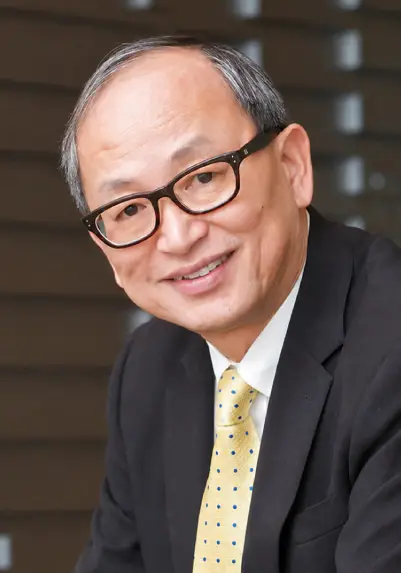
ZITING SU is the CEO of Golden Phoenix Global Limited, a leading professional metal trading house and recycling service provider based in Hong Kong. With extensive experience in precious metal trading, he has successfully driven the company’s international expansion. He focuses on business model innovation and industry diversification, with a vision to transform the company into a full-service metal solutions provider.