

Navigate
Article List
- Key Insights from the Asia Pacific Precious Metals Conference 2026
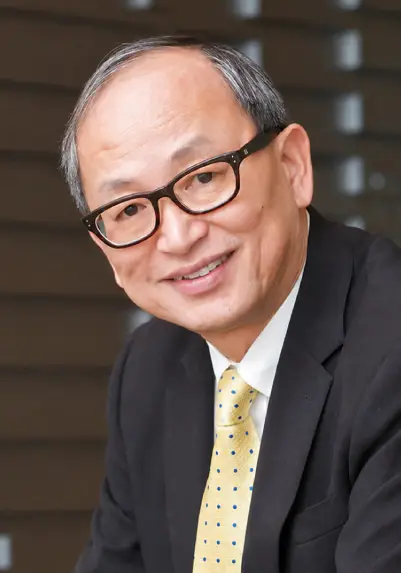
By JONI TEVES, Chief Precious Metals Strategist, UBS Investment Bank
- Bridging Asian Bullion Markets: Golden Phoenix’s Strategic Positioning and the Hong Kong-Singapore Dual-Hub Synergy
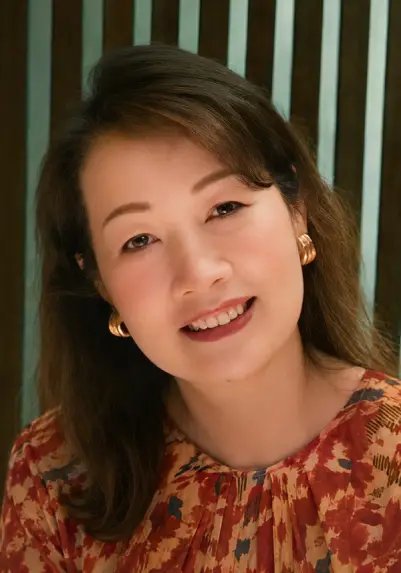
By ZITING SU, CEO, Golden Phoenix Global Limited
- From AI to Investment: Key Themes From Shanghai Platinum Week 2026
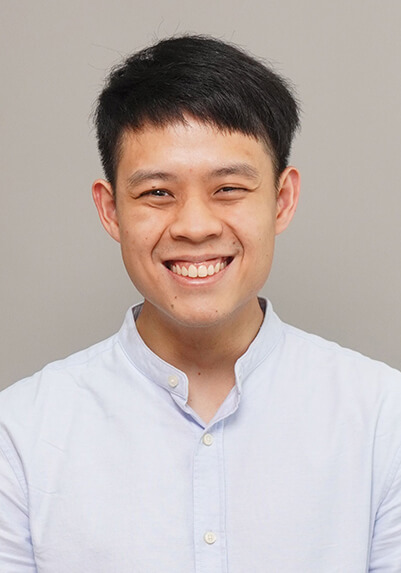
By WEIBIN DENG, Regional Head of Asia Pacific, World Platinum Investment Council
- The Korean Gold Market: Development, Linkages, and Opportunities for Regional Cooperation
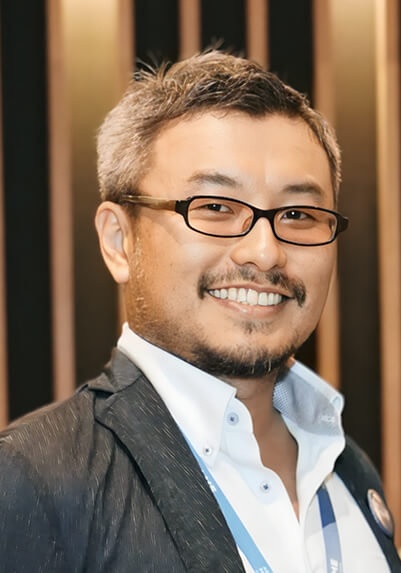
By KOREA EXCHANGE (KRX)
- SBMA News
By SBMA
METALOR’S NEW SUZHOU PLANT SIGNALS DEEPENING SINO-FOREIGN TIES IN PRECIOUS METALS REFINING
By WEIBIN DENG, Regional Head of Asia Pacific, World Platinum Investment Council
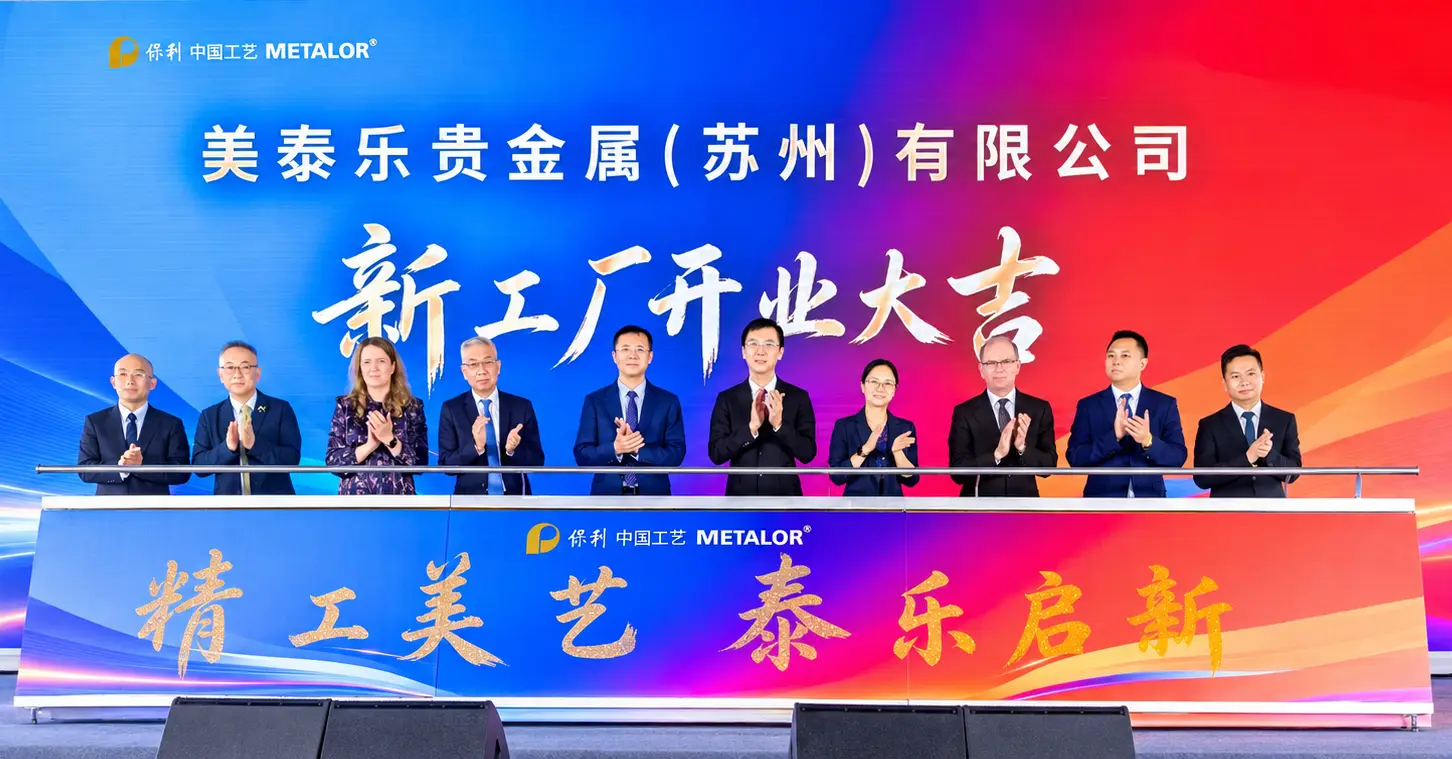
Metalor Precious Metals is a joint venture between China National Arts & Crafts Group, a central state-owned enterprise, and Switzerland’s Metalor Technologies Group, which traces its refining roots back nearly 170 years.
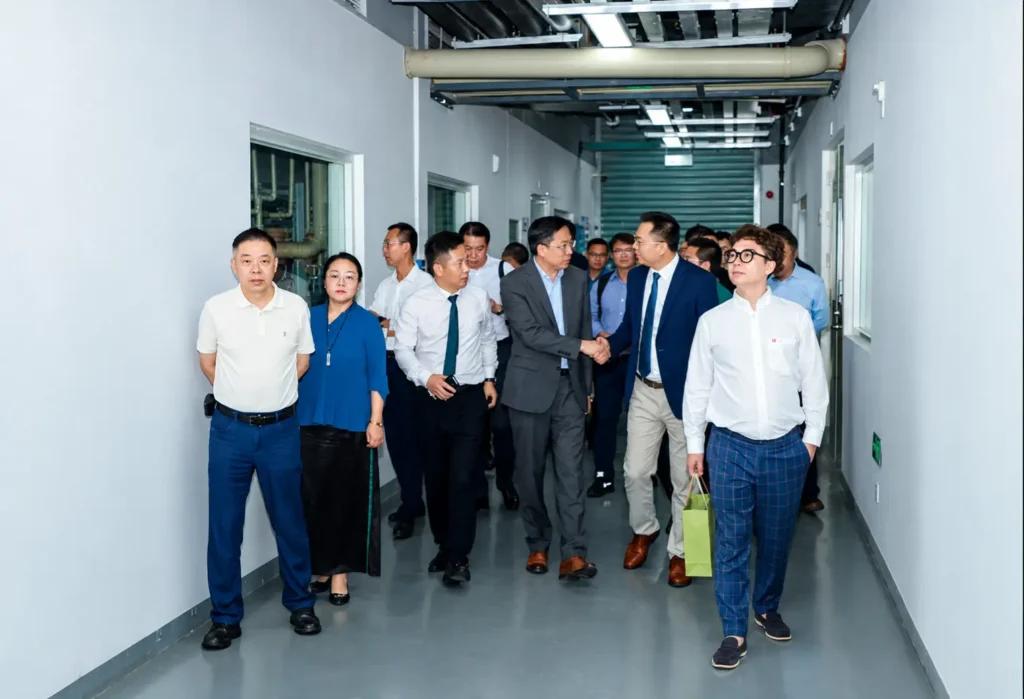
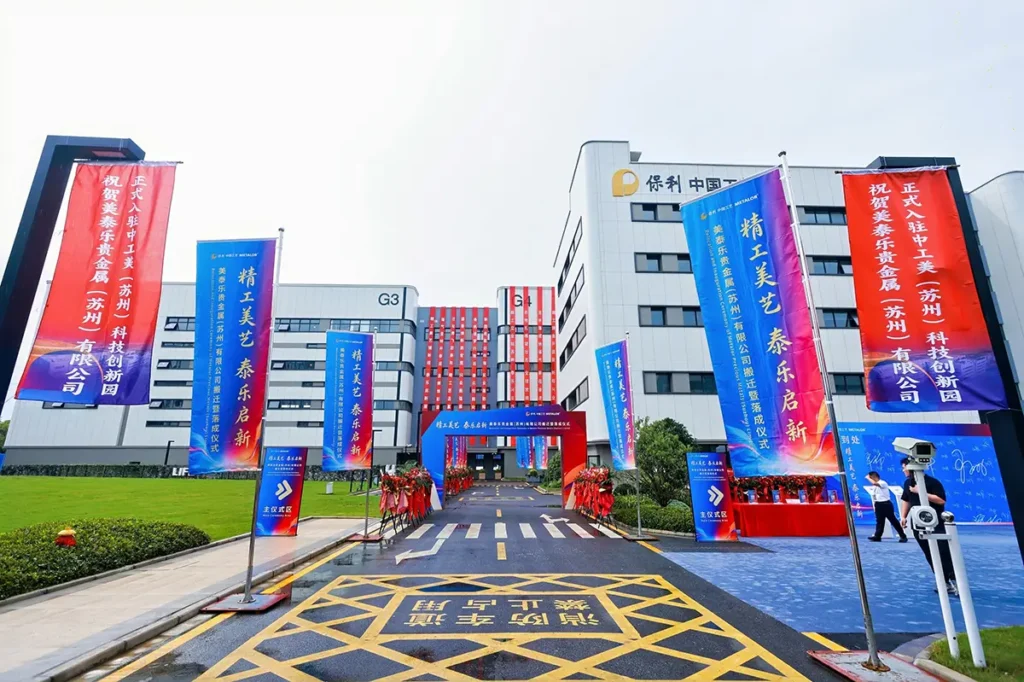
Bernie Chen, Metalor Suzhou’s General Manager, pointed to what had actually changed. Guests touring the site afterwards saw fully automated production lines and refining processes he ranked among the industry’s best on capacity, purity and low-carbon efficiency, including zero wastewater discharge and full solid-waste utilisation, in line with China’s “dual carbon” targets. Looking ahead, he set out three priorities: pushing further into core refining and high-purity materials research to clear long-standing technical bottlenecks; deepening the plant’s environmental and compliance credentials; and building a closed-loop system spanning research, production, sales and recycling with its shareholders’ combined resources.