Singapore Bullion Market Association

Article List

Article List

Vietnam Charts Path Toward National Gold Exchange: Regional Experts Contribute to Policy Development

By HUYNH TRUNG KHANH, Vice-Chairman, Vietnam Gold Trading Association
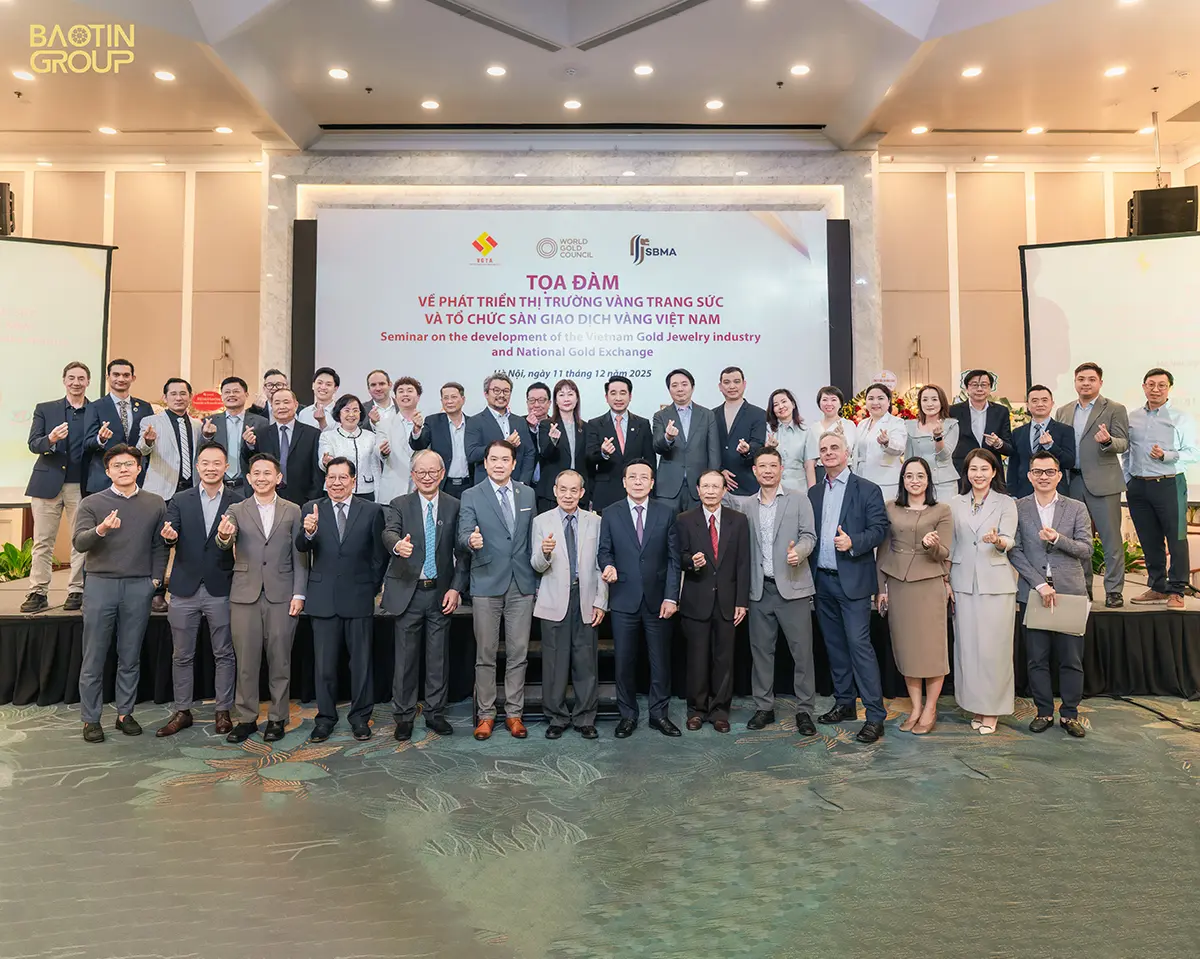
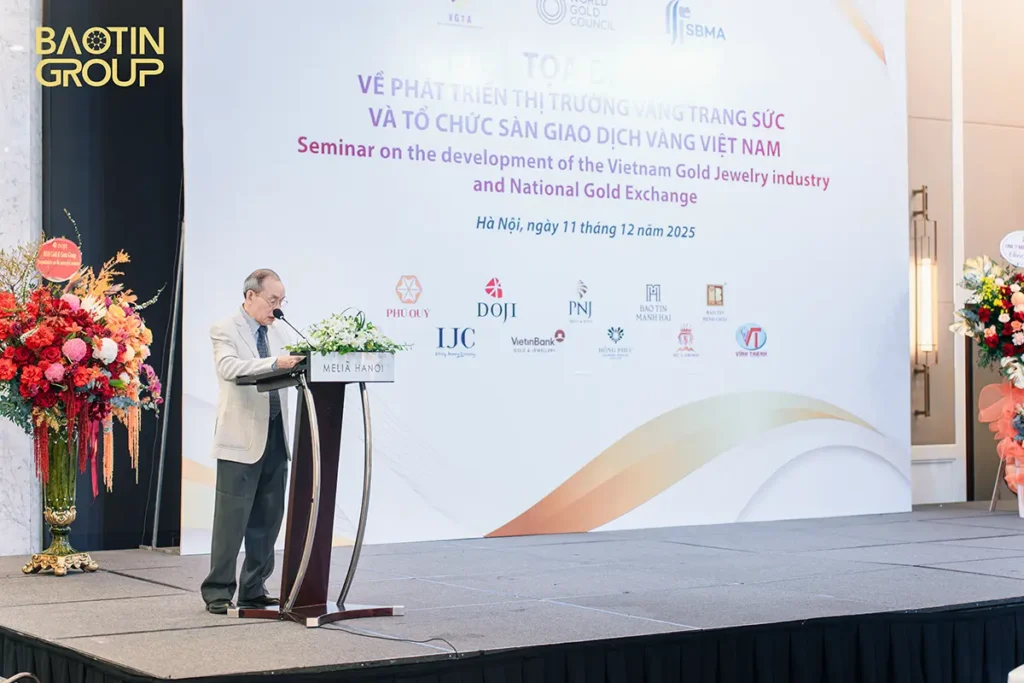
On December 11, the Vietnam Gold Trading Association (VGTA), World Gold Council, and Singapore Bullion Market Association (SBMA) jointly convened a seminar in Hanoi addressing the development of Vietnam’s gold jewellery industry and the establishment of a national gold exchange.
The event brought together over 60 delegates from key governmental agencies, industry associations, and regional market experts to explore pathways for modernizing Vietnam’s gold market infrastructure.
The seminar drew significant official representation, including Đào Xuân Tuấn, General Director of the State Bank of Vietnam (SBV) Forex Department; officials from the Ministry of Industry and Trade, the Ministry of Finance; Shaokai Fan, Global Head of Central Banks & Head of Asia-Pacific (ex-China) at the World Gold Council, and committee members from both VGTA and SBMA.
This engagement reflects growing recognition that Vietnam’s gold market, characterised by surging retail investment demand over the past two years, requires institutional infrastructure commensurate with its scale and economic significance.

Case for a National Exchange

In his opening remarks, VGTA chairman Dinh Nho Bang noted that the developments in the global precious metals market have, once again, reaffirmed gold’s historical role as a preferred safe haven during periods of geopolitical and economic uncertainty. In Vietnam, gold retail investment demand among individual and institutional investors has surged over the past two years, despite domestic gold prices repeatedly reaching new highs, he noted.
Bang emphasised that international experience consistently demonstrates the importance of efficiently operated gold exchanges in developing healthy domestic gold markets, contributing to the broader development of financial markets and the economy as a whole. This is even more important in periods when gold trading becomes highly active, as is currently the case, he observed.
However, Vietnam still does not have a national gold exchange. “This has long been a major concern for the VGTA and other small businesses in the sector”, he said, adding that establishing, managing, and operating a gold exchange in an effective and transparent manner would generate significant benefits for the public, investors, enterprises, and the economy.
In reality, most of the world’s leading gold jewellery exporting countries operate national gold exchanges, such as China, India, and Turkey. Through the effective functioning of these exchanges, these countries are able to secure a stable supply of raw gold for jewellery manufacturing, create substantial employment, generate large foreign-exchange earnings, and make positive contributions to economic growth.
“Therefore, establishing a national gold exchange is a legitimate aspiration of Vietnamese gold businesses, particularly as many enterprises have already invested heavily in infrastructure, machinery, and human resources to expand jewellery production for export, while raw material supply remains unstable and insufficient,” Bang stated.

International Perspectives on Market Development
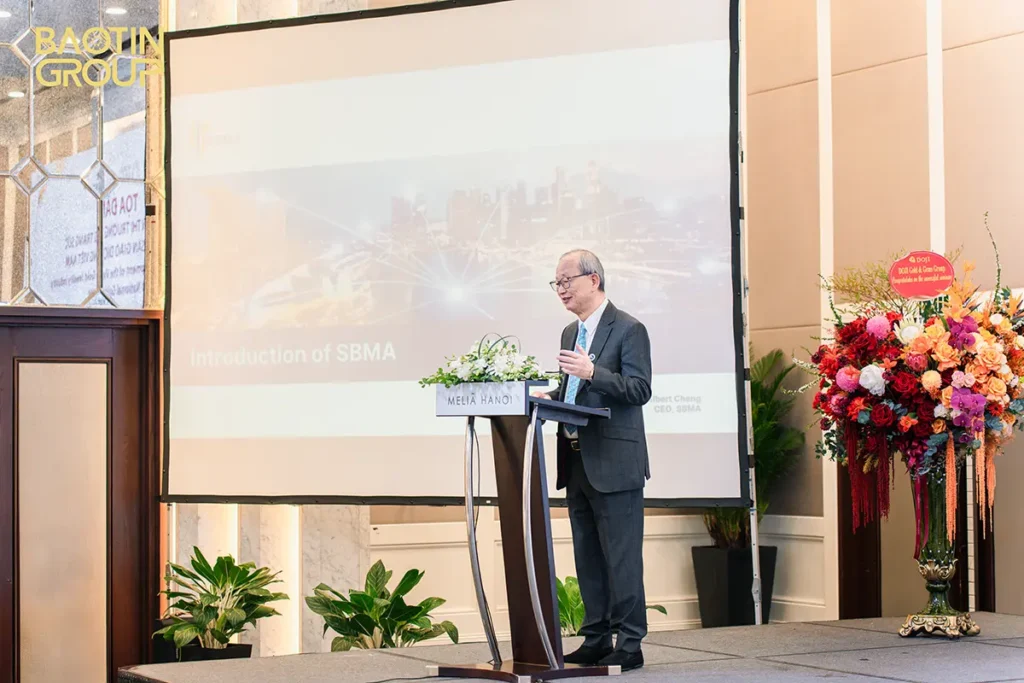
The seminar featured case studies from established precious metals markets, including Singapore, India, Turkey, Shanghai, and Hong Kong, enabling Vietnamese stakeholders to select, adapt, and apply strategies suitable for domestic adaptation.
Albert Cheng, CEO of SBMA, saw the strong potential for cooperation between the two associations, both in policy implementation and market development, as Vietnam strengthens its position as a key gold market in the region.
Drawing from Singapore’s experience, he noted that Singapore followed and adapted Switzerland’s model rather than copying it outright. “By 2030, Singapore aims to promote the development of a modern, open OTC gold market supported by high-standard storage infrastructure and, in the future, custody services for central banks. Its long-term goal is to position Singapore as Asia’s alternative hub on par with London and Zurich in the global gold market,” he said.
Cheng outlined factors that have attracted gold trading operations to Singapore: elimination of Goods and Services Tax (GST) on investment precious metals; tax benefits for refiners, including GST suspension mechanisms for eligible imported shipments; strong government support; and an open economy with one of the world’s major financial systems.
Cheng also acknowledged Vietnam’s recent regulatory progress, including Decree No.232/2025/ND-CP, revising gold market management rules; Circular No.34/2025/TT-NHNN, providing detailed implementation guidance; and planning for a national gold exchange or equivalent mechanism.

Regulatory Evolution and Market Integration
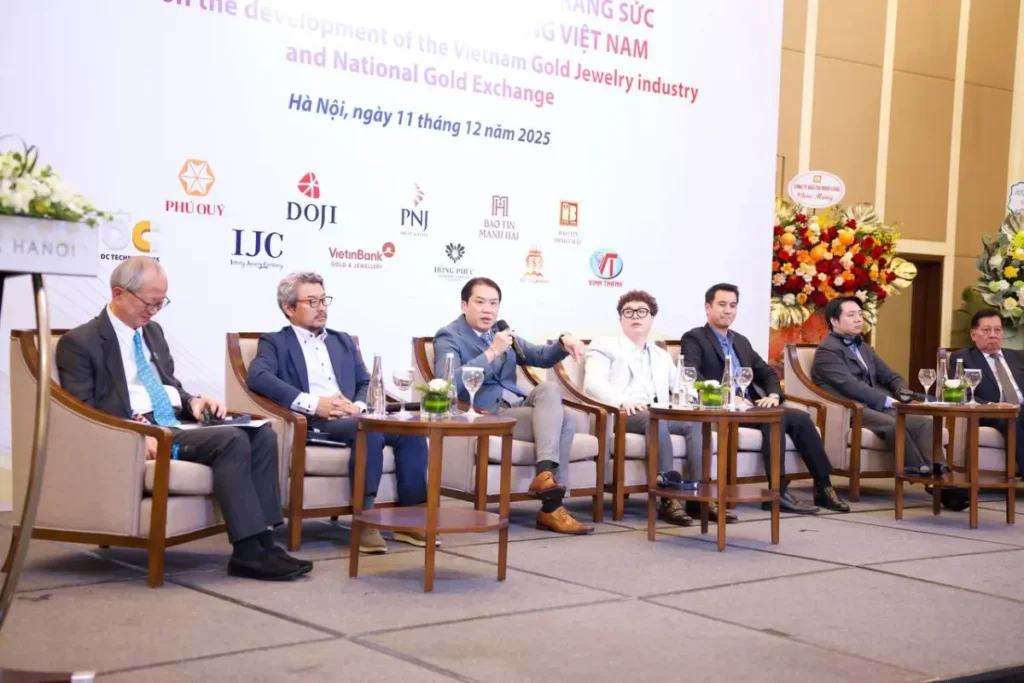
SBMA Chairman KL Yap and Vice-Chairman Vinh Nguyen provided additional perspective on Vietnam’s regulatory trajectory. They observed that Vietnam’s gold market has historically lacked strong integration with global markets, with domestic prices often diverging significantly from international benchmarks. The new regulations, coming after more than 10 years, are expected to narrow the gap between domestic and international gold prices, establish pricing mechanisms more aligned with global markets, and move Vietnam closer to international standards. This will enable both domestic and international participants to engage more actively in Vietnam’s gold market, Vinh said.
He emphasised that exchange establishment represents an initial step requiring supporting regulatory measures: “The goal is to ensure price transparency for all market participants, while the government continues to manage and regulate the gold market step by step. Opening a gold exchange is only the first step; additional regulatory measures will be needed”.
Regarding the establishment of a national gold exchange or further opening of the domestic gold market, the World Gold Council’s Fan highlighted critical considerations: “It is essential to address several fundamental questions. And another major challenge is ensuring that gold market activities do not disrupt key macroeconomic indicators, such as exchange rates or the balance of payments”.

Government Commitment and Timeline

In concluding remarks, the SBV’s Tuấn outlined the government’s policy direction, including the abolition of the monopoly on gold tael bar production, allocation of gold import quotas to major commercial banks and gold enterprises, and liberalisation of gold jewellery manufacturing and trading as unconditional business sector. Tuấn also revealed that the SBV is currently drafting a Vietnamese gold exchange model based on the Shanghai Gold Exchange framework, to be presented to the government for ratification before promulgation of enabling legislation in the first quarter of 2026.
On the sidelines of the seminar, a joint delegation from the SBMA, VGTA and WGC, led by Albert Cheng, met with SBV Deputy Governor Pham Quang Dzung at the SBV headquarters on December 10. The Deputy Governor expressed appreciation for the technical assistance and support provided by international experts in developing the national gold exchange framework, while noting opportunities for expanded business cooperation between SBMA and VGTA members.
Singapore Bullion Market Association VGTA Driving Growth and Connection in Vietnam’s Gold Market
HUYNH TRUNG KHANH, has more than 25 years of experience in the Vietnamese gold industry, first working for the World Gold Council (Asia) as Vietnam Country Manager before setting up his own gold consultancy business (VGC) in 2003 providing brokering and consultancy services to Saigon Jewellery Company (SJC), PhuNhuan Jewellery Joint-Stock Company (PNJ), Standard Bank Plc, StoneX and World Gold Council.
As a founding member of the Vietnam Gold Traders Association (VGTA), since 1998, Khanh has actively participated in the deregulation of the Vietnam gold market as Vice Chairman of VGTA, heading the External Relations Department of its Executive Committee.