


Navigate
Article List
- China’s VAT Reform and Its Implications for the Gold Market
By RAY JIA, Head of Research (Asia Pacific, ex-India) and Deputy Head of Trade Engagement (China), World Gold Council
- Platinum Group Metals: A New Era for China
By WEIBIN DENG, Regional Head of Asia Pacific, World Platinum Investment Council
- India’s Precious Metals Reset in 2025: Policy Alignment, Market Structure and the Consolidation of Trust
By SRINIVASA MOORTHY & PRATHIK TAMBRE, Research Desk, Bullion World
- Vietnam Charts Path Toward National Gold Exchange: Regional Experts Contribute to Policy Development
By HUYNH TRUNG KHANH, Vice-Chairman, Vietnam Gold Trading Association
- Developing Talent, Sharing Experiences — The Gold Industry Training Programme
By TAN KWAY GUAN, Central Banks and Public Policy Lead (Singapore), World Gold Council
- Regulatory and Policy Shifts in Asia’s Key Bullion Hubs
By LEE LIANG LE, Analyst, Kallanish Index Services
- SBMA News
By SBMA
Article List
- China’s VAT Reform and Its Implications for the Gold Market
By RAY JIA, Head of Research (Asia Pacific, ex-India) and Deputy Head of Trade Engagement (China), World Gold Council
- Platinum Group Metals: A New Era for China
By WEIBIN DENG, Regional Head of Asia Pacific, World Platinum Investment Council
- India’s Precious Metals Reset in 2025: Policy Alignment, Market Structure and the Consolidation of Trust
By SRINIVASA MOORTHY & PRATHIK TAMBRE, Research Desk, Bullion World
- Vietnam Charts Path Toward National Gold Exchange: Regional Experts Contribute to Policy Development
By HUYNH TRUNG KHANH, Vice-Chairman, Vietnam Gold Trading Association
- Developing Talent, Sharing Experiences — The Gold Industry Training Programme
By TAN KWAY GUAN, Central Banks and Public Policy Lead (Singapore), World Gold Council
- Regulatory and Policy Shifts in Asia’s Key Bullion Hubs
By LEE LIANG LE, Analyst, Kallanish Index Services
- SBMA News
By SBMA
Developing Talent, Sharing Experiences — The Gold Industry Training Programme
By TAN KWAY GUAN, Central Banks and Public Policy Lead (Singapore), World Gold Council
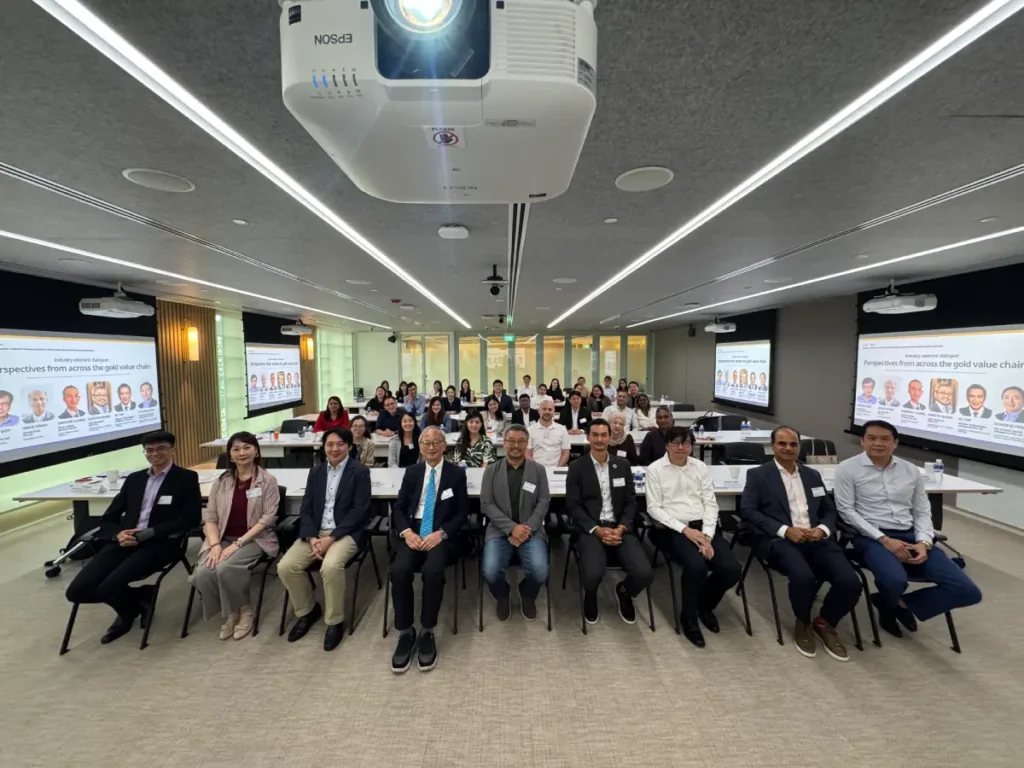
Regional Developments in Southeast Asia
Why Talent Development Matters
WGC – SBMA Gold Industry Training Programme
- Singapore’s gold ecosystem
- Overview of the global gold industry
- Central bank gold reserves
- The investment case for gold
- Understanding the bullion business – trading and banking
- Perspectives across the gold supply chain from industry veterans